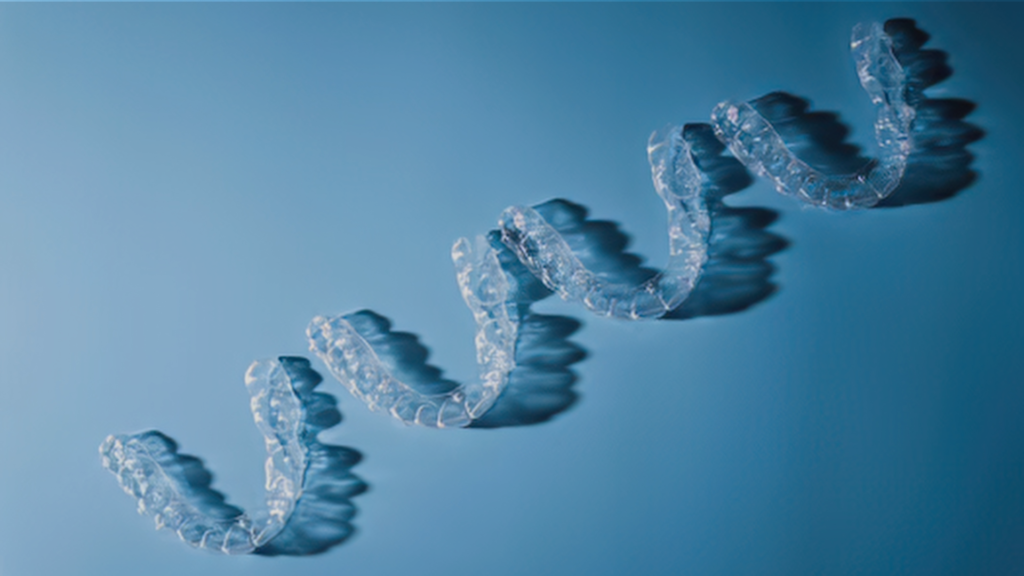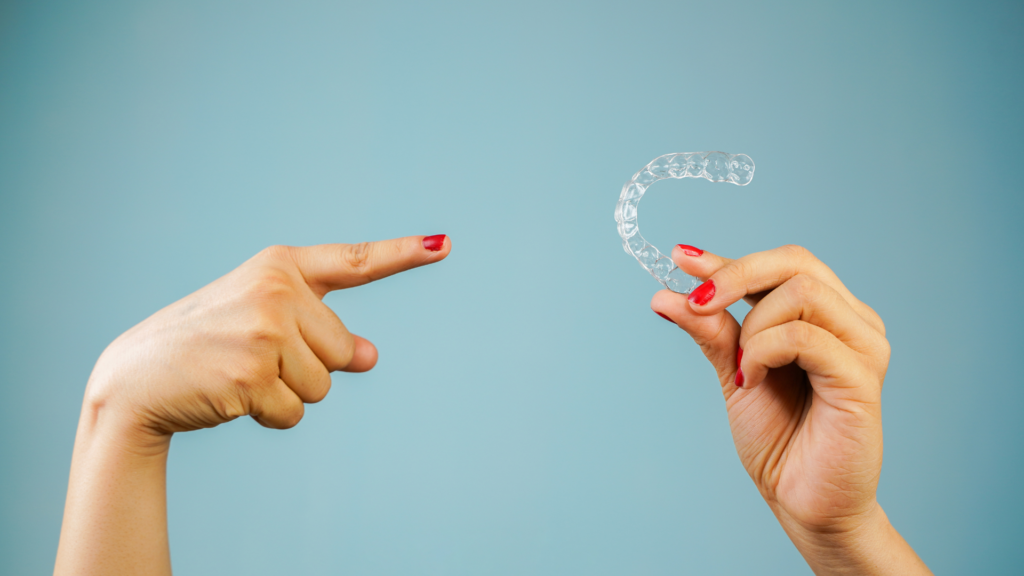
Putting your retainer back in after a few weeks or months only to find that it no longer fits can be worrying. It may feel tighter than before, refuse to sit completely over your teeth, or not fit at all. If this happens, don’t ignore it. A retainer that suddenly feels different usually means something has changed, either with your teeth or with the appliance itself.
Many people assume they simply need to force the retainer back into place. Unfortunately, that can do more harm than good. A damaged retainer may crack under pressure, while teeth that have shifted can become sore if excessive force is applied.
Consistently wearing your orthodontic retainer is one of the most effective ways to maintain the results of braces or clear aligner treatment. Even after your orthodontic treatment is complete, your teeth continue responding to everyday forces such as chewing, natural aging, and changes in the surrounding bone.
The good news is that a retainer that no longer fits doesn’t always mean you’ll need braces again. In many cases, your orthodontist can identify the cause and recommend the most appropriate solution before the problem becomes more serious.
At Thousand Smiles Orthodontics, Dr. Pan carefully evaluates every patient before recommending a replacement. Whether your retainer has warped, cracked, or your teeth have shifted slightly, early treatment often helps preserve the smile you’ve already worked so hard to achieve.
Why Does Your Retainer Doesn’t Fit Anymore?
Retainers are custom made to fit the exact position of your teeth at the end of orthodontic treatment. Because they’re designed with such precision, even a small change can affect how they fit.
In some cases, the appliance is still in excellent condition but your teeth have gradually moved. In others, the retainer itself has become damaged through everyday use.
Some of the most common reasons include:
- Natural tooth movement.
- Inconsistent retainer wear.
- Heat damage.
- Cracks or fractures.
- Everyday wear over several years.
Finding the real cause is important because the correct treatment depends on why the retainer stopped fitting.
Teeth Naturally Continue to Move
One of the biggest misconceptions about orthodontic treatment is that teeth remain perfectly straight forever after braces are removed.
In reality, teeth continue to experience small movements throughout life. Normal chewing forces, changes in bone structure, and the natural aging process all influence tooth position.
Without wearing your retainer consistently, these small changes become more noticeable over time.
Some patients notice tightness after only a few weeks without their retainer, while others don’t recognize the problem until months later when the appliance no longer fits comfortably.
Skipping Your Retainer Can Cause Relapse
After braces or clear aligners, retainers hold your teeth in place while the surrounding tissues stabilize.
When patients stop wearing their retainer as instructed, the teeth slowly begin drifting toward their previous positions.
Early warning signs include:
- Increased tightness.
- Difficulty inserting the retainer.
- Small gaps between the retainer and teeth.
- Mild discomfort during wear.
These early signs shouldn’t be ignored. Addressing the problem quickly often prevents more complicated treatment later.
Sometimes the Retainer Is the Problem
Not every retainer that feels tight means your teeth have shifted.
Plastic retainers naturally wear down over time. Heat, accidental drops, and years of daily use can all change their shape.
Common causes of retainer damage include:
- Leaving it inside a hot car.
- Cleaning it with hot water.
- Accidentally dropping it.
- Normal wear after years of daily use.
Rather than trying to force the appliance back onto your teeth, it’s always safer to have it professionally evaluated.
What Should You Do If Your Retainer No Longer Fits?
If your retainer suddenly feels uncomfortable, avoid forcing it into place.
Instead, schedule an orthodontic evaluation as soon as possible. Modern digital impressions allow Dr. Pan to accurately compare your current tooth position with the appliance and determine whether your retainer can still be used safely or if replacing it is the better option.
When Should You Replace Your Retainer?
Retainers are durable, but they are not designed to last forever. Daily use, accidental damage, and natural wear gradually reduce their effectiveness. Replacing an old retainer before it fails completely is one of the easiest ways to protect the investment you’ve made in your smile.
You should consider replacing your retainer if you notice:
- Visible cracks or chips.
- Warping or bending.
- A loose or unstable fit.
- Ongoing tightness that doesn’t improve.
- Discoloration after proper cleaning.
- The retainer slipping off your teeth.
If you’re unsure whether your current retainer still works properly, an orthodontic evaluation can determine whether it should be adjusted or replaced.
Replacement Retainer Options
Every smile is different, so the right retainer depends on your orthodontic history and long term treatment goals.
Clear Retainers
Clear retainers remain one of the most popular choices because they are lightweight, comfortable, and almost invisible when worn. They fit closely over your teeth, making them ideal for patients who want a discreet solution after braces or clear aligner treatment.
Hawley Retainers
Hawley retainers combine a durable acrylic base with a stainless steel wire. Although they are slightly more visible than clear retainers, they are known for their strength and can often last for many years with proper care.
Fixed Retainers
A fixed retainer is bonded behind the front teeth, providing continuous support throughout the day. This option is often recommended for patients who are more likely to experience tooth movement or prefer a maintenance free solution.
Dr. Pan will recommend the retainer that best matches your smile after completing your examination.
How Quickly Can You Get a Replacement?
Modern orthodontic technology has made replacing retainers much easier than it was in the past.
Your visit usually includes:
- A complete smile evaluation.
- A digital scan of your teeth.
- A personalized treatment recommendation.
- Fabrication of your new retainer.
Depending on your individual case, you may even qualify for a same day retainer replacement, reducing the amount of time your teeth remain unsupported.
Many Austin families decide to visit Thousand Smiles Orthodontics after reading our community feedback, helping them feel confident before choosing an orthodontic provider.
Frequently Asked Questions
Should I force my retainer back onto my teeth?
No. If your retainer causes significant pain or refuses to fit completely, don’t force it into place. Excessive pressure can damage the appliance and place unnecessary stress on your teeth.
Can a damaged retainer be repaired?
Minor damage may sometimes be repaired, but cracked, warped, or badly worn retainers usually need replacement. Your orthodontist can determine the safest option after examining the appliance.
How long do clear retainers usually last?
Most clear retainers last between one and three years with proper care. Their lifespan depends on how often they are worn, how they are cleaned, and whether they are protected from heat or accidental damage.
Can I get a replacement retainer if another orthodontist treated me?
Yes. New patients are welcome. Your teeth will simply be evaluated first to ensure a replacement retainer is appropriate for your current smile.
Will my teeth continue moving as I get older?
Yes. Teeth naturally shift throughout life. Wearing your retainer consistently remains the best way to preserve the results of orthodontic treatment.
Conclusion
If your retainer doesn’t fit anymore, don’t wait to see if the problem improves on its own. A poorly fitting retainer often indicates that either your teeth or the appliance has changed. Addressing the issue early can help prevent additional tooth movement and reduce the need for future orthodontic treatment.
At Thousand Smiles Orthodontics, every patient receives a personalized evaluation before treatment begins. Whether you need a replacement retainer or expert advice, scheduling a free consultation is the first step toward protecting your smile for years to come.
About the Reviewer
Dr. Pan Hiranpradit is the founder and orthodontic specialist at Thousand Smiles Orthodontics in North Austin. She completed advanced orthodontic training at New York University and has more than eight years of experience helping children, teens, and adults maintain healthy smiles after braces and clear aligner treatment.