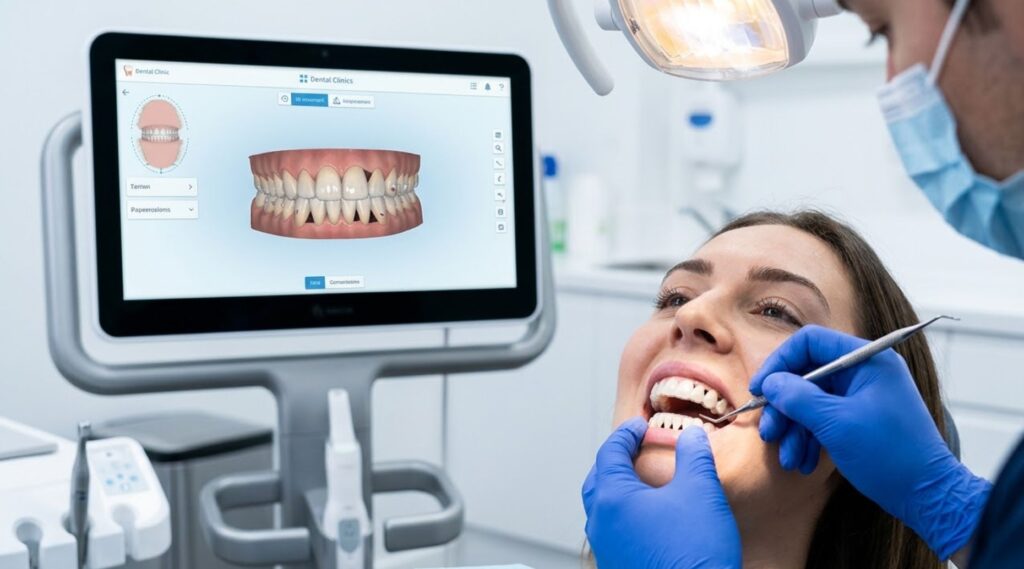
Finishing Invisalign Austin is a big step — but keeping that new smile takes one more smart move: retention. Retainers hold your teeth where your aligners left them and lower the chance they drift back. Below, we’ll explain why retainers matter, what can happen if you skip them, the common types available in Austin, and simple care tips so your results last.
Why a Retainer Matters After Invisalign
Teeth naturally move over time, so a retainer acts as the follow-through after orthodontic care. It stabilizes the corrected positions while the surrounding bone and soft tissue settle. Wearing a retainer as directed gives your smile the best chance of staying straight — long term.
Clinical research shows that, without retention, teeth often drift toward their original positions due to soft-tissue, occlusal, and ageing factors.
The Rationale for Orthodontic Retention: Preventing Relapse
Keeping teeth in their corrected positions after orthodontic treatment is one of the hardest parts of care. Teeth may move back because of periodontal and gingival forces, soft tissues, bite relationships, or normal facial growth and ageing — and the degree of change is often unpredictable.
The rationale for orthodontic retention: piecing together the jigsaw, 2021
How Retainers Keep Teeth from Shifting
Retainers gently hold teeth in their new alignment while bone and gums adapt. That steady support is most important in the first months after treatment but can be helpful long term. In short: retainers maintain the work your aligners did and protect your investment in a straighter smile.
Risks of Skipping a Retainer in Austin
If you skip your retainer, your teeth can gradually move back — sometimes quickly, sometimes subtly. That relapse can mean more orthodontic time, extra expense, and changes to your bite that affect chewing or wear patterns. Sticking to your retainer plan is the easiest way to avoid those setbacks.
Which Retainers Work Best After Invisalign in Austin?
There are a few reliable retainer styles, and the right choice depends on your needs and your orthodontist’s recommendation. Common options include:
- Clear (Essix) Retainers: Thin, removable plastic trays that are nearly invisible and comfortable for daily wear.
- Hawley / Wire Retainers: Traditional removable retainers with a metal wire and acrylic base; durable and adjustable by your orthodontist.
- Fixed (Bonded) Retainers: A thin wire bonded to the back of the teeth for a permanent solution — ideal for patients who prefer not to manage a removable appliance.
For many patients who want discretion and comfort, clear retainers are a popular first choice.
Benefits of Clear Plastic Retainers in Austin, TX
Clear plastic retainers offer several advantages that make them a go-to option after Invisalign:
| Benefit | Description |
| Nearly Invisible | They’re hard to spot, so you can keep your smile looking natural while wearing them. |
| Comfortable, Custom Fit | Made from molded plastic that fits your teeth snugly to minimize irritation and speech changes. |
| Effective Stabilization | They provide consistent coverage to help maintain the corrected tooth positions achieved with Invisalign. |
These qualities explain why clear retainers are widely recommended by orthodontists and appreciated by patients in Austin.
Wire and Fixed Retainers vs. Clear Retainers
Choosing between removable clear retainers, Hawley/wire retainers, and fixed (bonded) retainers comes down to appearance, maintenance, and lifestyle:
- Materials: Clear retainers are plastic; Hawley retainers combine plastic and metal; fixed retainers use a bonded metal wire.
- Comfort & Visibility: Clear trays are least visible and often more comfortable for daily wear. Hawley retainers can affect speech slightly; fixed retainers aren’t seen from the front.
- Durability & Care: Fixed retainers require less daily handling but need diligent oral hygiene. Clear retainers can stain or crack if not cared for, though they’re easy to replace.
Your orthodontist will help you balance convenience, appearance, and long-term stability when recommending a retainer type.
How Long Should You Wear a Retainer After Invisalign?
Most patients are advised to wear their retainer full-time (about 20–22 hours a day) for the first few months after treatment, then switch to nightly wear. Individual timelines vary, so follow the guidance your orthodontist gives based on how your teeth respond.
Recommended Daily Wear Time for Retainers
Early on, aim for 20–22 hours daily to let tissues settle. After that initial phase, many people move to night-only wear. The key is consistency — occasional lapses can allow slow drifting.
Is Lifelong Retainer Use Necessary?
Many orthodontists now recommend some form of long-term or lifelong retention — often nightly — to guard against gradual changes over years. While not everyone needs full-time wear forever, periodic night-only use is a common, low-effort way to protect your results.
Long-term retainer use is repeatedly shown to reduce the chance of orthodontic relapse.
Long-Term Retainer Wear Prevents Post-Orthodontic Relapse
Studies emphasize that continued retainer use significantly lowers the risk of teeth shifting back after treatment, supporting lasting results when retention is maintained.
Effective Management of Post-Orthodontic Relapse Using ClearPath Aligners: A Case Report, 2025
How to Care for and Maintain Your Retainer in Austin
Simple daily habits keep retainers working well and smelling fresh. Follow these best practices:
- Daily cleaning: Rinse after removing, then brush gently with a soft toothbrush and mild soap or a non-abrasive cleaner.
- Safe storage: Keep your retainer in its case when not in use to avoid damage or loss.
- Regular check-ups: Bring your retainer to appointments so your orthodontist can confirm the fit and spot any issues early.
These steps extend the life of your retainer and help protect your oral health.
Best Cleaning Practices for Clear and Wire Retainers
To keep retainers hygienic and functional:
- Clear retainers: Rinse after use, brush gently with cool or lukewarm water and mild soap, and avoid hot water that can warp the plastic.
- Wire/fixed retainers: Brush carefully around bonded wires and floss with threaders or water flossers to remove trapped food and plaque.
Using specially formulated cleaning tablets occasionally can also help remove buildup — but check with your orthodontist before trying new products.
When Should You Replace Your Retainer in Austin?
Expect to replace removable retainers every 1–3 years, depending on wear, damage, and how carefully you store them. Fixed retainers can last longer but may need repair or replacement if wires loosen or bonding fails. Regular exams help determine the right timing.
Cost of Invisalign Retainers in Austin
Retainer costs vary by type and provider. As a general guide, clear retainers often range from $100 to $300 per set. Prices depend on materials, customization, and whether replacements are needed.
How Retainer Cost Varies by Type in Austin, TX
Typical price ranges you can expect:
- Clear retainers: Usually $100–$300 per set.
- Hawley / wire retainers: Often $200–$500, depending on design.
- Fixed (bonded) retainers: Higher initial cost, commonly $300–$600, due to the bonding process.
Talk with your orthodontist about warranty or replacement policies, which can influence long-term costs.
Affordable Options and Insurance Coverage
Many insurance plans cover at least part of retainer costs; clinics also offer payment plans or bundled fees. Ask your provider about coverage, in-office financing, or lower-cost replacement options if budget is a concern.
Where to Schedule Retainer Consultations and Services in Austin
Orthodontic clinics across Austin offer retainer consults and fittings, and many let you book online for convenience. Choose a practice experienced with post-Invisalign retention to get tailored guidance and reliable follow-up care.
Which Austin Clinics Specialize in Post-Invisalign Retention?
Several local orthodontists focus on retention plans tailored to Invisalign patients, including same-day retainer options and personalized follow-up. Read reviews and ask about retainer types and long-term monitoring when comparing clinics.
How to Schedule Your Retainer Consultation in Austin
Booking a consultation is simple: most offices provide online scheduling or a direct phone line to set appointments. If you prefer, use the clinic’s booking page to pick a time that fits your schedule.
For easy online scheduling, book your visit through the clinic’s site.
If you want a trusted local provider, Thousands Smiles in Austin offers full orthodontic care to help you get and keep the smile you want.
To learn more about aligner options, visit clear aligners for details.
Frequently Asked Questions
What should I do if I lose my retainer?
Contact your orthodontist right away. They’ll advise whether you can use your last pair of aligners temporarily or need a replacement. Acting quickly reduces the chance of your teeth shifting back.
Can I eat or drink with my retainer in?
Remove your retainer for meals and drinks other than water. Food can trap bacteria and stain or damage the appliance. Rinse and clean the retainer before putting it back in.
How can I tell if my retainer needs to be replaced?
Replace your retainer if you see cracks, warping, persistent discomfort, or if it no longer fits snugly. Bring concerns to your orthodontist, who can confirm whether a new retainer is needed.
Are there any specific foods to avoid while wearing a retainer?
Avoid sticky, hard, or chewy foods that can damage removable retainers or pull at bonded wires. Removing the retainer before eating is the safest approach.
How often should I visit my orthodontist after getting a retainer?
Plan follow-ups every 6 to 12 months so your orthodontist can check alignment, retainer fit, and oral hygiene. They’ll recommend the best schedule based on your situation.
Can I use over-the-counter cleaning products for my retainer?
Some OTC cleaners are safe, but choose products made for dental appliances and avoid harsh chemicals or abrasives. A gentle soap-and-water routine or orthodontist-recommended tablets is usually best.
Conclusion
Keeping your smile after Invisalign is straightforward when you follow a retention plan. Wearing and caring for a retainer as recommended protects your results and helps avoid extra treatment later. If you’ve finished Invisalign or are planning treatment, reach out to a local orthodontist to set up a retainer plan and keep your smile looking its best.