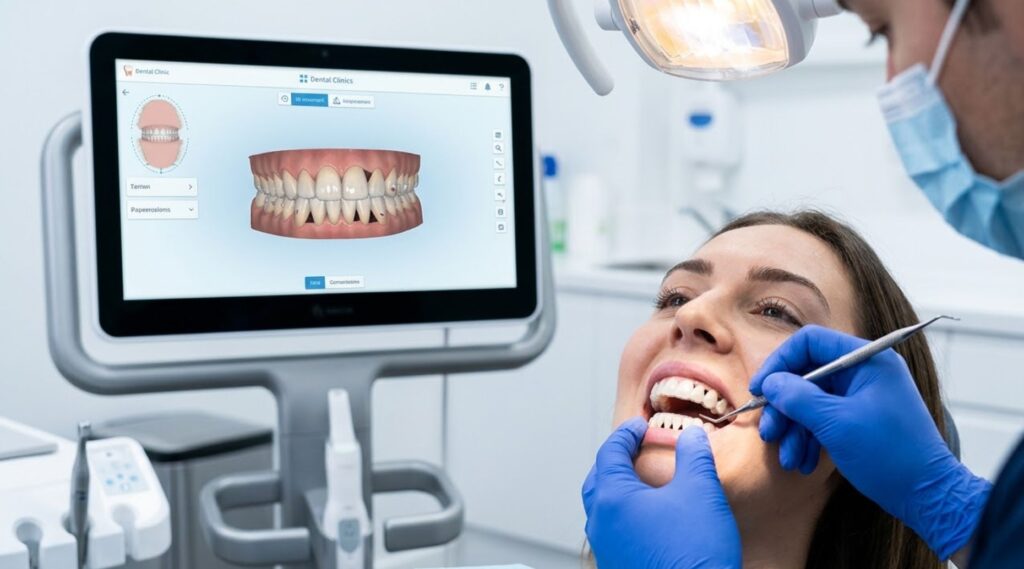

Invisalign has become a go-to option for people who want to fix alignment issues like overbites, underbites, and crowded teeth without traditional braces. Below, we explain how Invisalign works, who it helps most, and how it compares to conventional orthodontics. Many Austinites live with bite problems that cause discomfort or make cleaning teeth harder — understanding your options helps you choose the right path. We’ll define these bite issues, review their effects on oral health, walk through the treatment process, and highlight what Thousand Smiles Austin offers for clear-aligner care in the area.
What Are Overbites, Underbites, and Crowded Teeth?
Overbites, underbites, and crowding are common orthodontic problems that affect how your teeth meet and how your smile looks. An overbite is when the upper front teeth sit too far over the lower front teeth. An underbite happens when the lower teeth sit in front of the uppers. Crowded teeth occur when your jaw doesn’t have enough room, so teeth overlap or twist. These issues can make chewing, speaking, and cleaning more difficult, which is why early evaluation matters.
How Do These Bite Conditions Affect Oral Health?
Left untreated, bite problems can cause uneven tooth wear, higher risk of cavities and gum disease, and strain on the jaw muscles. That strain can lead to jaw pain, headaches, and even TMJ symptoms. Treating alignment issues early often prevents these secondary problems and improves long-term oral health.
What Are the Common Signs and Symptoms in Austin Patients?
If you live in Austin and suspect a bite problem, watch for these common signs:
- Misaligned Teeth : Teeth that don’t meet correctly when you bite or chew.
- Jaw Pain : Soreness or discomfort when opening, closing, or chewing.
- Difficulty Chewing or Speaking : Noticeable trouble biting, chewing, or clear speech because of tooth position.
- Frequent Headaches : Tension or recurring headaches tied to jaw stress.
Spotting these symptoms early makes it easier to get the right treatment and avoid bigger issues later.
How Does Invisalign Treat Overbites, Underbites, and Crowded Teeth in Austin?
Invisalign uses a series of custom, clear aligners to move teeth gradually into better positions. Treatment starts with a full orthodontic exam and 3D imaging to map your tooth movements. The aligners are made to fit precisely and are swapped every one to two weeks so teeth shift gently over time. Many patients find Invisalign less noticeable and more comfortable than metal braces, and the removable design helps with eating and hygiene.
Thousand Smiles Austin builds individualized Invisalign plans to target overbites, underbites, and crowding, tailoring the approach to each patient’s goals and anatomy.
What Is the Invisalign Treatment Process for Bite Correction?
A typical Invisalign journey includes these steps:
- Initial Consultation : A thorough exam and a conversation about your goals with an orthodontist.
- Custom Treatment Plan : A personalized plan created from digital scans and 3D treatment planning.
- Aligner Fitting : Your first set of aligners is delivered; wear them about 20–22 hours per day.
- Regular Check-Ups : Periodic visits to track progress and receive the next aligner sets.
- Completion and Retainers : After active treatment, retainers help keep your new position stable.
This step-by-step approach gives consistent oversight from the clinical team while the aligners do the daily work.
Who Is a Good Candidate for Invisalign in Austin?
Invisalign works best for people with mild to moderate alignment or bite issues. Key factors that determine candidacy include:
- Age : Teens and adults commonly use Invisalign; younger children often need braces while their teeth and jaws develop.
- Severity of Misalignment : Very complex cases sometimes need other orthodontic methods.
- Commitment to Treatment : Success depends on wearing aligners as prescribed and keeping appointments.
A professional evaluation at an orthodontic office will clarify if Invisalign is the best choice for your situation.
Scientific reviews support Invisalign’s effectiveness for many mild-to-moderate cases, while also noting limits in treating more severe tooth and jaw discrepancies.
Invisalign Effectiveness: Correcting Mild to Moderate Malocclusions
The evidence indicates that the Invisalign® system can be a viable alternative to conventional orthodontic treatment for correcting mild to moderate malocclusions in non-growing patients who do not require extractions. The aligners can reliably level, tip, and derotate many teeth, though they are less effective for certain tooth types (such as cuspids and premolars) and for movements like true arch expansion, closing extraction spaces by bodily tooth movement, correcting occlusal contacts, or addressing large antero‑posterior and vertical discrepancies.
Clinical effectiveness of Invisalign® orthodontic treatment: a systematic review, N Gkantidis, 2005
What Are the Benefits of Clear Aligners Compared to Traditional Braces?
Clear aligners like Invisalign offer several practical advantages over metal braces:
- Discreet Appearance : Clear trays are much less noticeable, so treatment is more aesthetic.
- Comfort : Smooth plastic typically causes less gum and cheek irritation than brackets and wires.
- Removability : Take aligners out to eat, brush, and floss — which helps oral hygiene.
- Fewer Office Visits : Many people need fewer in-office adjustments since they change aligners at home.
These benefits make clear aligners an attractive option for patients who want effective treatment with fewer lifestyle tradeoffs.
How Do Clear Aligners Improve Comfort and Appearance?
Aligners are designed with smooth edges and a low profile, which reduces irritation and keeps your smile looking natural during treatment. Because they’re removable, you can keep your normal dental routine and enjoy foods you like — then pop the aligners back in afterward. That flexibility often makes the treatment experience easier and more comfortable.
What Are the Limitations of Invisalign for Complex Bite Issues?
While Invisalign is effective for many patients, it isn’t always the right tool for every case. Limitations include:
- Severe Misalignment : Cases needing large tooth movements may be better treated with traditional braces.
- Complex Jaw Relationships : Significant skeletal discrepancies can require surgery or other orthodontic interventions.
- Predictability : For certain complex movements, fixed appliances can be more predictable.
A full assessment from an experienced orthodontist will identify when Invisalign is appropriate and when other approaches are preferable.
Where Can You Find the Best Orthodontists for Clear Aligners in Austin?
When choosing an orthodontist for clear aligners, consider these factors:
- Experience : Seek clinicians with a proven track record using clear-aligner systems.
- Patient Reviews : Read testimonials and before‑and‑after results to gauge outcomes and satisfaction.
- Consultation Availability : A thorough consultation helps you understand your options and expected results.
In Austin, many practices offer clear-aligner treatments; researching experience and results will help you choose the right provider. Learn more about options at clear aligner treatments .
What Makes Thousand Smiles Austin a Top Choice for Invisalign?
Thousand Smiles Austin stands out for patient-focused care and clear-aligner expertise. Their strengths include:
- Experienced Team : Orthodontists trained in modern clear-aligner protocols.
- Personalized Care : Treatment plans tailored around each patient’s needs and lifestyle.
- Affordable Options : Competitive pricing and flexible payment solutions.
Those elements combine to deliver a smoother treatment experience and reliable results for many patients.
What Are the Cost and Financing Options for Invisalign in Austin?
Invisalign in Austin usually costs between $3,000 and $8,000, depending on case complexity and treatment length. Thousand Smiles Austin provides several financing choices to help make treatment manageable:
- Interest-Free Financing : Plans that let you spread payments without added interest.
- Low Down Payment Plans : Options to start treatment without a large upfront sum.
- Insurance Acceptance : Many plans accept insurance that can offset part of the cost.
Reviewing these options with your provider makes it easier to plan for treatment expenses.
How Much Does Invisalign Treatment Typically Cost in Austin?
Several factors affect price:
- Treatment Complexity : More complex cases may need extra aligners or longer care, which raises cost.
- Geographic Location : Local market and provider expertise influence fees.
- Insurance Coverage : Confirm benefits with your insurer to understand possible coverage.
A consultation will give a detailed cost estimate based on your individualized plan.
What Financing Plans Are Available for Clear Aligner Treatments?
Thousand Smiles Austin typically offers a range of payment plans, such as:
- Interest-Free Financing : Pay over time without interest when you qualify.
- Low Down Payment Options : Start treatment with a smaller initial payment.
- Discounts for Prepayment : Save by paying for treatment upfront in some cases.
To schedule a visit and discuss payment choices, please book an appointment .
Frequently Asked Questions
Can Invisalign be used for children and teenagers?
Yes. Invisalign is available for teens and some younger patients — Invisalign Teen includes features like compliance indicators to help track wear. That said, younger children who are still growing may be better served with traditional braces until development stabilizes. An orthodontist can recommend the right timing and product for each patient.
How long does the Invisalign treatment process typically take?
Treatment time varies with how complex the case is. Many patients finish between 6 and 18 months. Mild misalignments can take as little as six months; more involved corrections take longer. Regular check-ups keep treatment on track and allow adjustments when needed.
What should I expect during my first consultation for Invisalign?
At your first visit, the orthodontist will examine your teeth and bite, often using digital scans and X-rays. You’ll talk about your goals, get a proposed treatment timeline, and hear about costs and financing. The appointment is an opportunity to ask questions and decide whether Invisalign fits your needs.
Are there any dietary restrictions while using Invisalign?
One big perk of Invisalign is that aligners are removable, so you can eat normally. For best results, remove aligners for meals and drinks (other than water) to avoid stains and damage. Brush before putting the aligners back in to protect oral hygiene.
What happens if I lose or damage my Invisalign aligners?
If an aligner is lost or broken, contact your orthodontist right away. They may advise wearing the previous set briefly or ordering a replacement. Avoid skipping aligner wear, as gaps in treatment can slow progress. Your provider will help you get back on track.
How often do I need to visit the orthodontist during treatment?
Most patients come in every 6 to 8 weeks so the orthodontist can check progress and give the next aligner sets. Visit frequency can vary with case complexity and the treatment plan.
Can I use Invisalign if I have dental work like crowns or bridges?
Invisalign can often be used with crowns or bridges, but these restorations can affect how aligners fit and move teeth. Your orthodontist will review your dental history and recommend any special planning needed to make treatment effective.
Conclusion
Invisalign is a discreet, effective option for many people who want to correct overbites, underbites, and crowded teeth. Custom aligners can improve both function and appearance with a comfortable treatment experience and typically fewer office visits than braces. Thousand Smiles Austin offers personalized care and flexible financing to help patients reach their smile goals. Take the next step by scheduling a consultation to see if Invisalign is right for you.