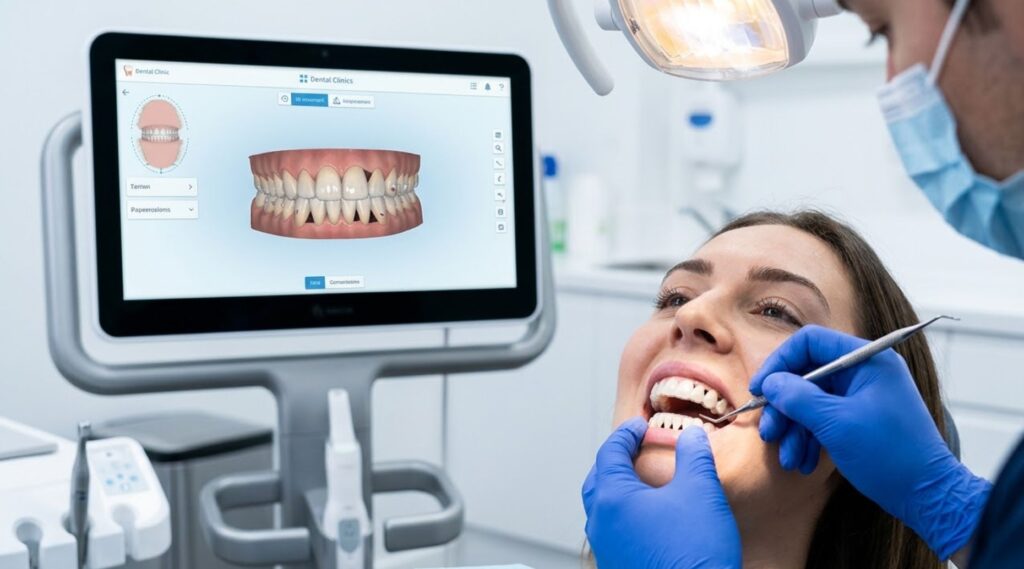
Clear aligners like Invisalign Austin have changed how we straighten teeth — they’re discreet, comfortable, and effective. In Austin, many dentists use attachments and refinements as part of a thoughtful treatment plan to make those results more predictable. This article explains what attachments and refinements are, why they matter, the common attachment types, and how dentists track progress so patients reach the smile they want. Knowing these steps can ease worry and help you stay on track with your treatment.
The benefits of using attachments and refinements in Invisalign treatment management by Austin dentists include:
Adding attachments and planning for refinements gives Invisalign treatments a measurable boost. Here are the most important advantages dentists see in practice.
- Enhanced Control of Tooth Movement : Attachments create precise contact points for the aligner, so dentists can guide specific tooth movements more accurately.
- Improved Efficacy of Treatment : With strategically placed attachments, dentists can achieve complex movements that aligners alone might struggle to produce.
- Customization for Individual Needs : Attachments and refinements let clinicians tailor each plan to a patient’s unique anatomy and goals.
- Increased Predictability of Outcomes : When attachments and timely refinements are used, treatment tends to follow the planned trajectory more reliably.
Taken together, these practices help ensure patients receive attentive, results-driven care throughout their Invisalign journey.
What Are Invisalign Attachments and How Do They Help Treatment Progress?
Attachments are small, tooth-colored composite bumps dentists bond to certain teeth. They give the aligner something to push against, improving grip and allowing the aligner to apply force more precisely — especially for rotations or movements that need extra leverage. In short, attachments help the aligners work more effectively and predictably.
Research continues to examine how attachment shape and aligner thickness interact to influence the forces applied during tooth movement.
Clear Aligner Attachment Design & Thickness
Composite attachments can aid tooth displacement, but variables such as aligner thickness and attachment shape affect how precisely forces are delivered. This study compared stress distribution patterns from clear aligners with different thicknesses and attachment geometries during anterior retraction — highlighting how design choices influence performance.
Effectiveness of the attachment design and thickness of clear aligners during orthodontic anterior retraction: finite element analysis, AA Alhasyimi, 2024
For patients in Austin, well-planned attachments can make treatment more comfortable and efficient, helping aligners reach the planned outcome with fewer surprises.
What Types of Orthodontic Attachments Are Used in Austin Invisalign Treatments?
Dentists in Austin commonly use several attachment styles depending on the desired movement. The right mix is chosen to match each patient’s goals.
- Buttons : Small, rounded attachments that give the aligner a reliable surface to push against.
- Hooks : Used with elastics when needed, hooks help incorporate auxiliary forces into the treatment.
- Ridges : Shaped to increase friction and improve the aligner’s mechanical advantage for certain tooth movements.
Each attachment type serves a specific mechanical role, and your dentist will recommend the best combination for your case.
Ongoing studies aim to clarify which attachment designs work best for particular tooth movements.
Invisalign Attachment Efficacy & Types
While Invisalign has been studied for its ability to move teeth predictably, the relative effectiveness of different attachment types — along with other aligner variables — is still being evaluated. Retrospective reviews help clinicians refine attachment selection and treatment protocols.
Efficacy of Invisalign attachments: a retrospective study, M Singh, 2021
How Do Attachments Improve Clear Aligner Effectiveness?
Attachments increase the area where the aligner contacts the tooth, which boosts control and force direction. That tighter, more consistent fit translates to more efficient, predictable movement and fewer surprises during the course of treatment. Ultimately, attachments reduce the need for guesswork and help the plan play out as intended.
Clinical studies have examined how attachments affect the overall efficiency of tooth movement during aligner therapy.
Invisalign Attachments & Tooth Movement Efficacy
Attachments, occasional overcorrections, and careful ClinCheck planning are tools clinicians use to improve outcomes. Prospective clinical data have helped establish how well Invisalign moves teeth when these auxiliaries are used appropriately.
How well does Invisalign work?
A prospective clinical study evaluating the efficacy of tooth movement with Invisalign, B Kusnoto, 2009
How Does the Invisalign Refinement Process Work in Austin, TX?
Refinements are the planned follow-ups that help fine-tune results after the initial series of aligners. After your dentist reviews how your teeth have responded, they’ll decide whether a refinement is needed — typically by taking an updated scan and designing a new set of aligners that address any remaining discrepancies.
This iterative approach — check, rescan, adjust — keeps treatment moving toward the intended outcome and fixes minor issues before they become bigger problems.
When and Why Are Refinement Trays Needed During Treatment?
Refinement trays come into play when the initial aligner sequence doesn’t achieve the planned tooth positions. Common reasons include:
- Unanticipated Tooth Movement : Teeth sometimes move differently than predicted, so additional aligners correct course.
- Patient Compliance : If aligners aren’t worn as recommended, progress can lag and refinements may be necessary.
- Complex Cases : More involved movements often require extra refinement steps to reach the final result.
Understanding these triggers helps patients stay engaged and responsive throughout treatment.
What Are the Steps Involved in Scheduling and Completing Refinements?
The refinement workflow is straightforward and designed to minimize downtime: patient resources
- Consultation : You meet with your dentist to review progress and outline next steps.
- Intraoral Scanning : A current digital scan captures the teeth’ exact positions for the updated plan.
- 3D Printing : New aligners are fabricated from the revised digital model.
- Notification for Pickup : Your office will let you know when the refined aligners are ready for pickup or delivery.
These steps keep the refinement phase efficient so you can resume treatment with minimal interruption.
What Happens During Clear Aligner Progress Checkups in Austin?
Progress visits are focused, practical appointments. Your dentist will check how the aligners are seating, compare current tooth positions to the treatment plan, address any concerns, and decide whether attachments or refinements are needed. These short but regular touchpoints help catch issues early and keep momentum moving toward your goal.
How Do Orthodontists Monitor Invisalign Treatment Progress?
Orthodontists use a combination of visual exams, scans, and patient feedback to track treatment. Typical monitoring steps include:
- Reviewing Initial Images : Comparing current photos and scans to the baseline to measure progress.
- Patient Involvement : Listening to your experience with fit, comfort, and any problems you’ve noticed.
- Adjustments : Tweaking the plan, scheduling refinements, or adding attachments as needed to stay on course.
This collaborative approach keeps you informed and gives the clinical team the data they need to guide treatment effectively.
How Often Should Patients Schedule Progress Checkups?
Most patients benefit from progress visits every 6–8 weeks. These regular check-ins let dentists monitor movement closely and make timely changes so treatment stays on schedule.
How Do Attachments and Refinements Benefit Different Patient Age Groups?
Attachments and refinements are useful across ages — each group sees slightly different advantages based on their dental development and goals.
What Are the Advantages of Attachments for Children and Teens?
For younger patients, attachments can help address emerging alignment issues early and make targeted corrections before patterns become established. Benefits include:
- Personalized Recommendations : Attachments are selected to match a child’s specific dental needs and growth stage.
- Prevention of Long-Term Complications : Early intervention can reduce the need for more invasive treatment later.
How Do Adults Benefit From Invisalign Treatment Adjustments?
Adults often prioritize discreet, convenient care — and attachments plus refinements support that by improving efficiency and outcomes. Key advantages include:
- Discreet Appearance : Clear aligners remain low-profile while attachments are tooth-colored and minimally visible.
- Comfort and Removability : Aligners can be taken out for meals and cleaning, fitting into a busy lifestyle.
- Improved Oral Health : Straighter teeth make hygiene easier, which benefits long-term gum and dental health.
How Does Thousand Smiles Austin Support Invisalign Patients With Attachments and Refinements?
Thousand Smiles Austin focuses on individualized Invisalign care — combining clinical planning, patient education, and flexible financing to keep treatment accessible. We emphasize clear communication and regular monitoring so each patient understands their plan and gets the support they need from start to finish.
What Local Patient Success Stories Highlight Treatment Effectiveness?
Local success stories often show how attachments and refinements helped patients reach their goals more efficiently. Many people report improved smiles and confidence after finishing treatment, and patient testimonials offer practical proof of the benefits of a well-managed Invisalign program.
How Can Patients Schedule Appointments for Attachments and Refinements?
Scheduling is simple: call your dentist’s office or use their online booking system to set a consultation. If you have questions about attachments, refinements, or timing, bring them up during the appointment so the team can tailor the plan to your needs. Staying proactive is the best way to get the most from your Invisalign treatment.
Frequently Asked Questions
What is the typical duration of Invisalign treatment with attachments and refinements?
Treatment length varies by case complexity, but many patients finish in about 12 to 18 months. Proper use of attachments and timely refinements can improve efficiency and sometimes shorten the timeline. Regular checkups and following your dentist’s wear recommendations are essential to staying on schedule.
Are there any side effects associated with using attachments during Invisalign treatment?
Attachments are safe for most patients. You may notice brief sensitivity after placement or a slight change in how you speak until you adjust. These effects usually fade quickly. If anything feels uncomfortable or persistent, let your dentist know so adjustments can be made.
How do I maintain oral hygiene while using Invisalign with attachments?
Good hygiene is key. Brush after meals and before putting your aligners back in, and floss daily — paying attention around attachment sites. An antibacterial mouthwash can help, and routine dental cleanings will keep your teeth and gums healthy during treatment.
Can I eat and drink normally with Invisalign attachments?
You can eat and drink normally, but remove your aligners for meals to protect them and avoid trapping food. Drink water while wearing aligners, and save coffee, tea, and other staining drinks for when they’re removed. Brush before reinserting aligners to keep things clean.
What should I do if I lose an aligner during treatment?
Contact your dentist as soon as possible. They’ll advise whether to wear the previous aligner, move to the next one, or order a replacement. Avoid skipping aligners without guidance, since that can disrupt your progress.
How do I know if my attachments are placed correctly?
After attachments are placed, your dentist will check aligner fit to make sure they seat properly. If the aligner doesn’t fit snugly or you have unusual discomfort, let your dentist know so they can verify placement and make any necessary adjustments.
What happens if I don’t wear my aligners for the recommended time?
Not wearing aligners 20–22 hours a day slows movement and can lead to extended treatment or extra refinements. In some cases, you might even need to restart portions of the plan. If you’re having trouble with compliance, talk to your dentist — they can offer tips or alternatives to help you stay on track.
Conclusion
Using attachments and planning for refinements helps make Invisalign treatment more predictable and effective for patients in Austin. These tools let dentists tailor care to each person’s needs and keep the treatment progressing as intended. If you’re curious how attachments or refinements might help your case, schedule a consultation to discuss a customized plan and next steps.