As a parent, you want your child’s teeth to grow straight and healthy. While some orthodontic concerns are easy to spot, others develop gradually without causing obvious discomfort. Crossbite in children is one of those conditions. It may seem like a minor alignment issue at first, but it can affect the way the teeth, jaws, and facial structure develop as your child grows.
The good news is that crossbites are highly treatable, especially when they’re identified early. Because a child’s jaw is still developing, orthodontists can often guide healthy growth before the problem becomes more difficult to correct.
At Thousand Smiles Orthodontics, Dr. Pan encourages early evaluations so developing bite problems can be identified before they affect long term oral health. Every child grows differently, which is why treatment recommendations are always based on individual needs rather than age alone.
What Is a Crossbite?
A crossbite occurs when one or more upper teeth bite inside the lower teeth instead of sitting slightly outside them.
A crossbite may involve the front teeth, the back teeth, or both.
Unlike a simple cosmetic concern, a crossbite affects how the upper and lower jaws fit together. If left untreated during childhood, it can gradually influence chewing, speech, jaw growth, and facial balance.
Orthodontists generally classify crossbites into two main types.
Anterior Crossbite
An anterior crossbite affects the front teeth.
Instead of the upper front teeth resting slightly in front of the lower teeth, one or more upper teeth sit behind the lower teeth when your child bites down.
This may contribute to:
- Uneven tooth wear.
- Gum recession.
- Difficulty biting into foods.
- Changes in jaw position over time.
Posterior Crossbite
A posterior crossbite affects the back teeth and often develops because the upper jaw is narrower than the lower jaw.
Children with this type of crossbite may:
- Chew mostly on one side.
- Shift their jaw while closing their mouth.
- Develop uneven jaw growth.
- Experience changes in facial symmetry as they grow.
Because these changes happen gradually, many parents don’t recognize them until an orthodontic examination.
What Causes Crossbite in Children?
Several factors may contribute to the development of a crossbite.
In many cases, more than one cause is involved.
Genetics
Jaw size, facial growth, and tooth alignment are often influenced by family history.
If one or both parents needed orthodontic treatment for bite problems, their child may have a greater chance of developing a crossbite.
Although genetics can’t be changed, early evaluations allow developing concerns to be monitored before they become more severe.
Thumb Sucking and Pacifier Use
Thumb sucking and pacifier use are completely normal during infancy.
However, if these habits continue beyond the preschool years, they may gradually affect jaw development.
The repeated pressure can narrow the upper jaw and increase the likelihood of developing a crossbite or other bite concerns.
Parents concerned about prolonged habits often benefit from learning more about healthy oral habits before orthodontic problems develop.
Mouth Breathing
Children who regularly breathe through their mouths instead of their noses may experience changes in facial growth and jaw development.
Long term mouth breathing is sometimes linked to:
- Seasonal allergies.
- Enlarged tonsils.
- Chronic nasal congestion.
- Airway concerns.
Because the tongue doesn’t rest properly against the roof of the mouth, the upper jaw may not develop to its full width, increasing the risk of a crossbite.
Delayed Loss of Baby Teeth
Baby teeth help guide permanent teeth into their correct positions.
When they remain in place longer than expected, permanent teeth may erupt incorrectly, increasing the chance of bite problems.
Routine dental visits combined with orthodontic monitoring help identify these changes while treatment is still relatively simple.
Early Signs Parents Should Watch For
Many crossbites develop slowly, making them easy to overlook during everyday life.
Although only an orthodontist can diagnose a crossbite, parents are often the first to notice something doesn’t seem right.
You should consider scheduling an orthodontic evaluation if your child:
- Has upper teeth sitting behind the lower teeth.
- Shifts their jaw while biting.
- Has difficulty chewing evenly.
- Frequently bites the inside of their cheeks.
- Develops speech changes.
- Shows uneven tooth wear.
- Appears to have one side of the face developing differently.
Children who show these signs don’t always require immediate treatment, but an early bite evaluation allows Dr. Pan to monitor growth and determine whether treatment should begin while the jaw is still developing.
Why Early Treatment Makes a Difference
A crossbite is more than a cosmetic issue. Because it affects how the upper and lower teeth fit together, it can place uneven pressure on the teeth, jaw joints, and surrounding muscles.
One of the biggest advantages of early treatment is that a child’s jaw is still growing. Guiding jaw development during childhood is often easier than correcting established bite problems later in life.
Early treatment may help:
- Support healthy jaw growth.
- Create space for permanent teeth.
- Improve chewing function.
- Reduce the need for more complex treatment later.
- Improve long term oral health.
Parents who would like to understand whether Phase I orthodontic treatment is appropriate for their child can discuss this during an orthodontic evaluation.
What Can Happen If a Crossbite Isn’t Treated?
Some children experience very few symptoms in the beginning, while others may not notice any discomfort at all.
Even so, untreated crossbites can gradually lead to problems that become more noticeable over time.
Uneven Tooth Wear
When the bite doesn’t come together correctly, certain teeth absorb more pressure during chewing.
Over time, this may increase the risk of enamel wear, chipped teeth, and unnecessary stress on individual teeth.
Changes in Jaw Growth
Many children naturally shift their jaw into a position that feels more comfortable when closing their mouth.
Although this adjustment may seem harmless, repeating the same movement every day can influence facial development and jaw symmetry as the child grows.
Jaw Discomfort
A crossbite may place additional strain on the jaw joints and surrounding muscles.
Some children may eventually experience:
- Jaw soreness.
- Clicking sounds.
- Muscle fatigue.
- Headaches.
- Difficulty opening or closing the mouth comfortably.
Oral Hygiene Challenges
Crooked or overlapping teeth are often harder to clean effectively.
This may increase the chance of plaque buildup, cavities, and gum irritation if oral hygiene isn’t maintained.
Many Austin families first discover our practice after reading local parent reviews, where they learn about other families’ experiences with children’s orthodontic care.
How Is a Crossbite Treated?
Treatment depends on your child’s age, jaw development, and the severity of the bite problem.
After a complete evaluation, Dr. Pan recommends the option that will provide the healthiest long term outcome.
Depending on your child’s needs, treatment may include:
- Growth guidance during childhood.
- Braces for tooth alignment.
- Jaw expansion when appropriate.
- Monitoring until the ideal treatment time.
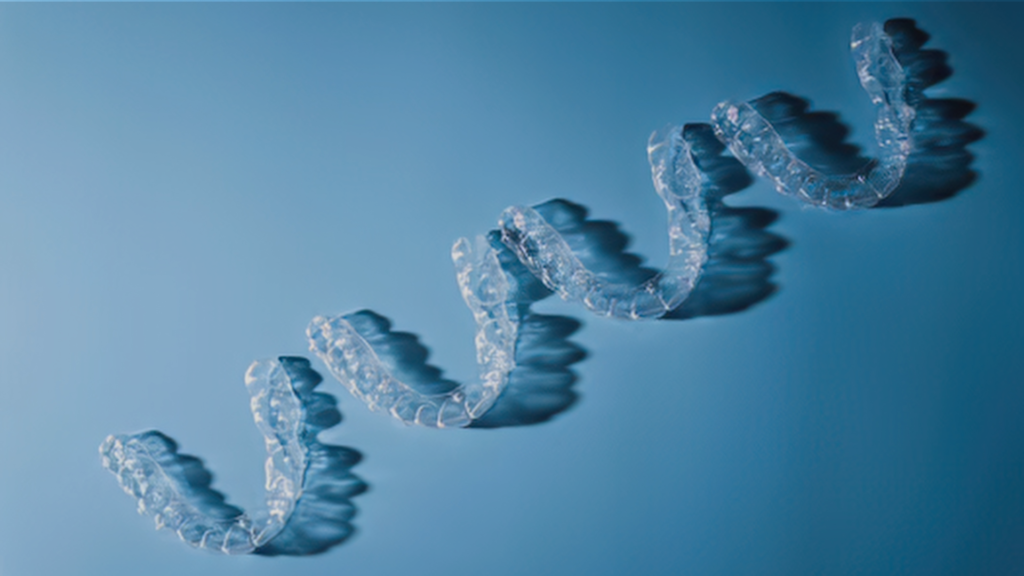
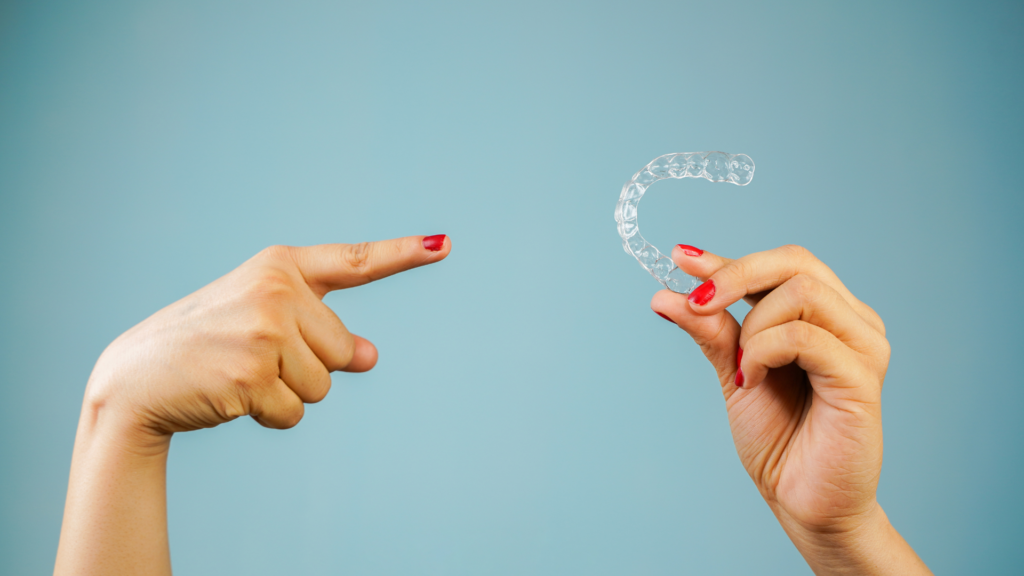
- Clear aligners for selected older children and teenagers.
Some older children may also be candidates for clear aligner treatment, while others benefit more from traditional braces.
Frequently Asked Questions
Can a crossbite correct itself as my child grows?
In most cases, no. A true crossbite usually requires professional orthodontic evaluation and, if appropriate, treatment.
At what age should a child be evaluated for a crossbite?
The American Association of Orthodontists recommends an orthodontic evaluation around age seven. This allows developing bite concerns to be identified while the jaws are still growing.
Will every child with a crossbite need braces?
Not necessarily. Some children benefit from early growth guidance, while others may need braces later. Treatment depends on the type and severity of the crossbite.
Can clear aligners treat a crossbite?
Some mild to moderate crossbites in older children and teenagers may be treated with clear aligners. More complex cases may require braces or other orthodontic appliances.
Is early treatment worth it?
Yes. Treating a crossbite during childhood often helps guide healthy jaw development and may reduce the need for more complex orthodontic treatment later.
Conclusion
Recognizing Crossbite in children early allows parents to protect their child’s oral health before bite problems become more difficult to correct. Early evaluation gives your orthodontist the opportunity to monitor growth, recommend treatment at the right time, and support healthy jaw development.
At Thousand Smiles Orthodontics, Dr. Pan provides personalized orthodontic care designed to help children develop healthy bites, confident smiles, and long lasting results.
About the Reviewer
Dr. Pan Hiranpradit is the founder and orthodontic specialist at Thousand Smiles Orthodontics in North Austin. She completed advanced orthodontic training at New York University and has more than eight years of experience providing personalized orthodontic treatment for children, teens, and adults.